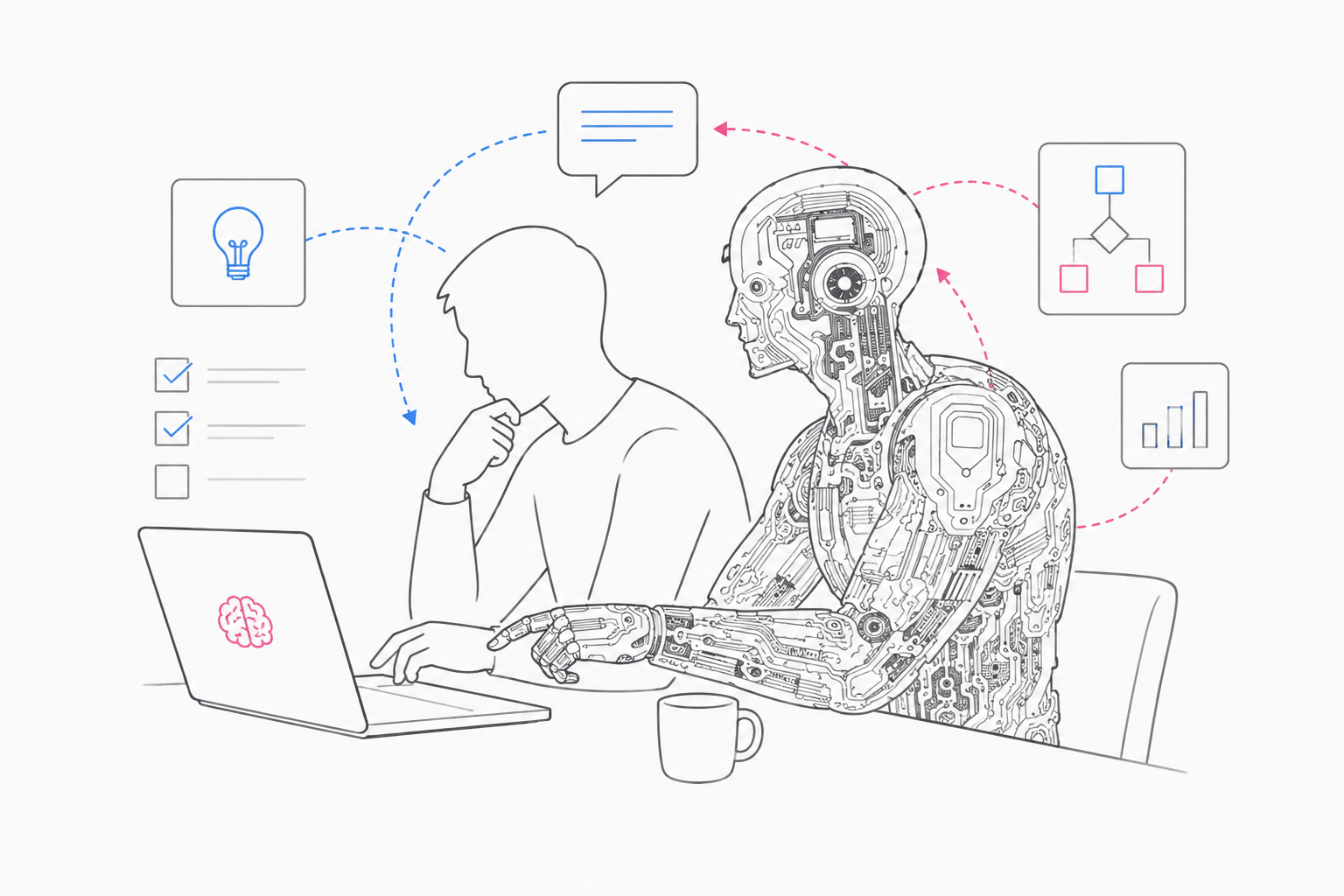
When I started running AI pilots with clients, I expected the obvious results: faster outputs, less manual work, and more time back to the team. What I saw was the opposite. The pilots actually became slower.
That was the moment I realized even the right technology needs the right workflow around it. When we reviewed with the client where all of the time was going, it wasn’t going into the AI builds or technology. It was going into the humans reviewing the AI. A change management piece had been overlooked. As it often is.
One reviewer didn’t trust the system. Every output was read word for word against the source; they double-checked all citations and re-wrote the text. They weren’t reviewing the draft, they were essentially re-doing the work. By the end of the pilot, they were taking longer than they would have taken if they’d authored the document from scratch. From the outside, this looked like diligence, but in practice it was a very expensive form of failure.
Another reviewer went in the other direction. They trusted AI implicitly. The first outputs looked clean, so the next one was quickly skimmed. By the time we audited the workflow, they were approving the output based only on the title and the first paragraph. This cost was severe. Every document that had been rubber-stamped had to be re-reviewed from scratch and the pilot timeline stretched significantly.
Same tool, same source material, two reviewers producing two completely different operating risks.
Without clear structure, human review of AI output drifts. It drifts by personality, by workload, by how much the reviewer trusts the tool that morning. And if nobody has defined what review actually means, every reviewer invents their own version of it. This is a clear operations and technology gap. What I witnessed wasn’t just a workflow problem waiting to be solved by better checklists or tighter SOPs. It’s a signal that the technology itself wasn’t doing enough. If a reviewer feels the need to re-do every output from scratch, the system hasn’t given them enough reason to trust it. If another reviewer rubber-stamps everything, the system hasn’t given them the structure to review with confidence.
Both failures point back to the same root cause: the technology wasn’t designed to support the human in the loop.
Getting the technology right is critical. The other important factor is how humans interact with it, and whether their work is elevated or inundated with extra steps.
The right AI solution gives the over-checker a reason to trust through transparent outputs, traceable sources, confident outputs they can see and verify. And it gives the under-checker audit trails, governed review stages, and outputs that are backed with evidence. The right solution doesn’t ask teams to reorient their entire way of working around reviewing AI. Rather, it meets them where they are and makes their existing workflows stronger.
Looking back, the lesson I’d offer any operating leader evaluating AI is this: don’t separate the technology decision from the workflow decision. They are the same decision. And if the technology you choose requires your team to build an entirely new review infrastructure just to trust the outputs, that’s not a solution, that’s a second problem.
The best AI doesn’t create more work for the humans around it. It removes the uncertainty that made that work necessary in the first place.